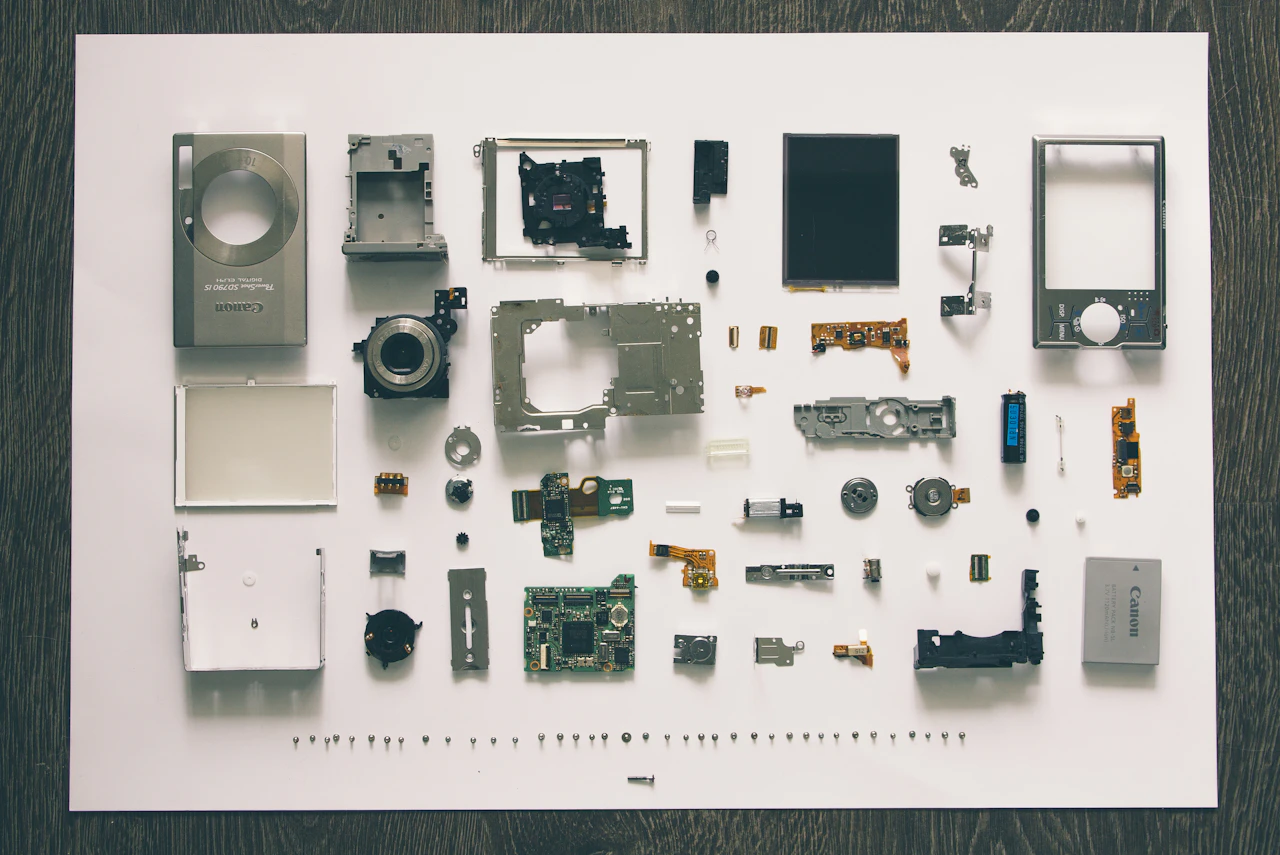
Most homeowners think about plumbing only when water is already where it should not be. A leak under the sink, a running toilet at midnight, or a broken shutoff valve can turn a normal day into a scramble for towels, buckets, and emergency calls. The same principle that drives good retail operations also applies at home: if you cannot trust your inventory, you lose control of the outcome. That is why a simple plumbing parts inventory can make the difference between a quick fix and a costly, disruptive repair.
The lesson from inventory accuracy is simple. Retailers know that when records are wrong, they miss sales, create delays, and disappoint customers. At home, inaccurate or nonexistent records create their own version of stockouts: you discover too late that you do not have the right home repair supplies, the correct replacement parts, or even a usable shutoff valve key in the drawer. If you want more repair readiness and less panic, the answer is not a bigger toolbox. It is a better home inventory list.
Why inventory accuracy matters in a plumbing emergency
Small errors become big delays
In retail, even a small mismatch between the shelf and the system can cause a missed sale. At home, a similar mismatch happens when you assume you have a spare part but discover the wrong size, thread type, or material. A leaky faucet does not wait while you search the garage for a part that may have been used two years ago. The result is delayed repairs, more water damage, and a higher chance you will pay for emergency service instead of handling a simple fix yourself.
That is why homeowners should treat plumbing parts like critical household assets. A small set of verified, labeled items can solve common problems quickly, especially when the issue is not structural but mechanical. Keep in mind that the goal is not to stock every possible component. The goal is to have the specific parts most likely to fail, wear out, or be needed during a quick emergency response.
“I thought I had one” is the most expensive sentence
Inventory inaccuracies often come from assumptions. Maybe you remember buying a washer, but you do not remember where it went. Maybe you have a spare flapper, but not one that fits your toilet model. Maybe the shutoff valve is accessible, but the handle is stuck and no one knows until water is actively flowing. These are the kinds of avoidable gaps that turn a ten-minute job into an afternoon of hardware store trips.
If you have ever waited for a contractor to arrive only to realize the job could not start because a part was missing, you already understand the home version of inventory drift. A DIY project tracker dashboard is useful for renovations, but the same mindset works for maintenance: track what you own, what fits, where it is stored, and when it was last checked. That single habit can save time during leaks, clogs, and fixture swaps.
Better records improve decision-making
When you know exactly what you have, you can decide whether to repair, replace, or call a pro with confidence. That matters for homeowners, renters, and real estate professionals alike. Accurate records also reduce duplicate purchases, which keeps your storage cleaner and your budget tighter. For a broader view of efficient home organization, see how homeowners can avoid overbuying with a zero-waste storage stack and use the same discipline to manage plumbing essentials.
Pro Tip: Treat every plumbing part like a SKU. If you cannot identify it, label it. If you cannot label it, photograph it. If you cannot photograph it, measure it before you need it.
What to include in a smart plumbing parts inventory
Start with the highest-failure items
You do not need a warehouse of plumbing parts. You need a practical selection of the items most likely to be used in routine repairs. Start with a few universal or near-universal items such as a faucet washer, a toilet flapper, plumber’s tape, compression rings, and a few common O-rings. These parts are inexpensive, compact, and often the difference between an immediate fix and a wait.
A good rule is to inventory parts that wear out with friction, pressure, or repeated movement. Rubber seals dry out, flappers warp, washers flatten, and supply-line connectors loosen. If your home has older fixtures, the odds of repeat issues are even higher. Keeping spare plumbing parts on hand is less about hoarding and more about being ready for predictable wear.
Document the exact type, size, and location
Inventory accuracy is not only about ownership; it is about specificity. A toilet flapper is not just “a flapper.” It is a brand-compatible part with a chain length, diameter, and material that matter. The same is true for faucet washers, supply lines, trap adapters, and shutoff components. If you do not note the size and model, the part may as well be unusable when urgency strikes.
Create your home inventory list with three details for every item: what it is, what it fits, and where it is stored. A plastic bin labeled “bathroom repairs” is better than a random drawer, but a bin with sublabels—“kitchen faucet,” “toilet tank parts,” “shutoff tools”—is much better. For homeowners who like systems, a simple checklist app or spreadsheet can work well alongside broader home records. If you are tracking upgrades, it also helps to connect your parts inventory with a home renovation tracker so you can see what has already been replaced.
Keep a photo reference
Photos solve a lot of inventory confusion. Take a clear photo of each part next to a ruler or coin for scale, and keep a photo of the installed fixture too. This helps when you visit a store or call a plumber, because you can show the exact part and avoid guesswork. In emergencies, photos save time because they reduce back-and-forth and help you explain the issue accurately.
Think of this as the home equivalent of accurate product cataloging. The more detail you preserve, the less likely you are to buy the wrong item twice. If you keep your supplies in smart storage, pair the photos with labels and dates. That way, even a spouse, roommate, or property manager can find the right part quickly.
The essential home repair supplies every household should track
| Item | Common Use | Why It Matters | How Often to Check |
|---|---|---|---|
| Shutoff valve | Stopping water during leaks or fixture replacement | Prevents major water damage and speeds emergency response | Every 6 months |
| Faucet washer | Repairing dripping faucets | Low-cost fix that can stop persistent leaks | Every 12 months |
| Toilet flapper | Stopping running toilets | Often the cause of silent water waste | Every 6-12 months |
| Supply line | Connecting fixtures to water | Can fail unexpectedly and cause major leaks | Every 12 months |
| Plumber’s tape | Sealing threaded connections | Useful for many minor plumbing connections | Every 12 months |
Start with these five categories because they cover the most common household problems. A functioning shutoff valve is often the most important emergency item in the entire house, because it buys time. A well-matched toilet flapper can stop a running toilet from wasting water for days. A simple faucet washer can solve a drip that otherwise becomes a persistent annoyance and utility cost.
Beyond the basics, keep a few additional supplies: adjustable wrench, channel-lock pliers, bucket, towels, plumber’s putty, silicone sealant, and a flashlight. These do not count as “parts” in the strict sense, but they make your parts usable. If your home has specific fixtures, add model-specific cartridges, aerators, and supply hoses to your list. The right small-space home essentials can matter just as much in a utility closet as they do in a kitchen.
Match the inventory to the home’s age and fixture style
A newer home with modern fixtures will need different spare items than a rental unit with older plumbing. Older homes often rely on legacy parts, unusual valve sizes, or discontinued faucet hardware. If you live in an older property, it is smart to keep more documentation, not necessarily more items. A single labeled bag with the exact cartridge or washer size can save an hour of frustration.
For landlords and property managers, this is even more important. When multiple units share similar fixtures, a simple parts log can reduce repeated service calls and help contractors work faster. Pairing inventory with reliable service access is especially useful, which is why homeowners who want fast help should also bookmark a local home-service readiness strategy and verify trusted resources before an issue hits.
Don’t forget tools that make the part usable
Having the correct replacement part is only half the job. If you cannot reach the shutoff, remove the old piece, or reassemble the fixture, the inventory will not help under pressure. That is why a basic plumbing kit should include a basin wrench, adjustable wrench, pliers, sealant, and a small headlamp. These are cheap compared with a service call and often determine whether you can act in minutes or wait for help.
Good inventory accuracy includes the supporting items too. For example, a replacement flapper is useless if the chain is too short, and a faucet washer does not help if the screw is stripped and you have no compatible tool. The more complete your system, the more reliable your emergency response becomes. This is the same logic that applies in smart home planning, where compatibility and backup access matter for devices such as connected security systems.
How to build a plumbing parts inventory that actually works
Use zones, not one big junk drawer
One of the biggest causes of inaccurate inventory is poor storage design. If everything lives in one box, parts get buried, damaged, or forgotten. Instead, create zones: one bin for toilet repair parts, one for faucets and sinks, one for shutoff and supply items, and one for general tools. This makes it easier to keep records accurate because each category has a home.
You can use clear containers, labeled zip bags, or drawer dividers. The goal is visibility. Transparent storage reduces duplication because you can see what exists before you buy more. It also makes it easier to train another household member to find the right item without guesswork. For homeowners who want cleaner systems, the same organizing logic used in storage efficiency can be applied to plumbing parts with very little effort.
Track purchase date and expected lifespan
Some plumbing supplies age quietly even when unused. Rubber components can harden, seals can dry out, and adhesives can expire. Write the purchase date on the package or container, then estimate a review date. This is especially helpful for items like flappers, washers, and sealants that can degrade over time.
An accurate inventory is not just a list of items; it is a living record. If you used a part, remove it from the inventory. If you replaced a fixture, update the part list. If a box becomes incomplete, mark it immediately rather than assuming you will remember later. This approach mirrors how good teams manage change logs and keeps your household from drifting into confusion.
Make the list easy to update in real life
The best system is the one your family will actually use. A paper list taped inside the utility closet can work if everyone checks it. A phone note can work if you are disciplined. A spreadsheet can be excellent if you like sorting by fixture, room, or date. The wrong system is the one that looks organized but is never updated.
Keep a spare copy of the list in the cloud or shared notes app, especially if you own multiple properties or manage rentals. Include part numbers, fixture brand names, and where the nearest water shutoff is located. If you want to extend this mindset beyond plumbing, consider how other household purchase decisions benefit from better planning, such as comparing practical upgrades in smart home compatibility or choosing better value in bundle-based subscriptions.
What to do before an emergency hits
Locate and test every shutoff valve
Your inventory is only useful if you can stop the water. Every household should know the location of the main shutoff and the individual fixture shutoffs for toilets, sinks, and appliances. Test them carefully and replace any valve that sticks, leaks, or will not fully close. In a real emergency, a stuck valve can turn a small issue into an expensive repair.
Mark the main shutoff with a tag, and teach every adult in the home where it is. If you rent, ask the landlord or property manager for this information immediately and keep it in your home notes. The combination of a labeled shutoff valve and a stocked parts bin is the difference between control and chaos when water starts moving the wrong way.
Practice the most common repairs in advance
You do not need to become a master plumber to be prepared. You do need to know how to replace a toilet flapper, swap a faucet washer, tighten a supply line, and shut off water to a fixture. Practicing these once in calm conditions reduces panic when a real problem appears. It also helps you notice which tools or parts you are missing before the emergency is real.
Think of this as routine rehearsal. The more familiar you are with the sequence, the less likely you are to fumble under pressure. A low-stakes practice run can reveal that the wrench is the wrong size, the valve is corroded, or the part box is missing a common connector. That is exactly the kind of problem you want to discover on a Sunday afternoon, not during a midnight leak.
Know when to stop DIY and call a pro
Inventory readiness should make you more capable, not reckless. If a pipe is corroded, a valve is seized, a leak is behind a wall, or water damage is spreading, call a licensed plumber immediately. Home parts can solve many small problems, but they are not a substitute for safe diagnostics or code-compliant repair. Good planning also includes a trusted local service option, which is why vetted directories and verified scheduling matter as much as spare parts.
For homeowners who want to compare service options before an emergency, it helps to understand practical value in adjacent buying decisions. Articles like refurbished versus new purchases and how to buy without getting burned reinforce the same principle: know what you own, know what it should cost, and know when expert help is worth the price.
How inventory accuracy saves money, time, and water
Less waste from duplicate purchases
An organized inventory cuts the invisible waste of buying things you already have. Many households purchase multiple washers, extra flappers, or duplicate sealant tubes simply because the original items were hidden or untracked. Over time, that adds up to wasted money and more clutter. Better records reduce that waste immediately.
The same way smarter shopping helps in other categories, such as retail savings strategies, better parts tracking keeps you from paying for avoidable mistakes. Every duplicate part you avoid buying is money you can spend on a more meaningful upgrade, like replacing a failing shutoff or updating an aging supply line before it bursts.
Faster repairs mean less damage
Water damage often increases in a non-linear way. A small leak may seem harmless at first, but the longer it runs, the more it soaks cabinets, flooring, drywall, and insulation. With a ready inventory, you can intervene faster. Even a temporary fix buys time until a professional can complete a permanent repair.
Speed matters because plumbing failures rarely improve on their own. A proper inventory gives you immediate access to the parts most likely to be needed, which means less waiting and fewer exposed surfaces. For households that also track home resilience in other ways, this mindset aligns with broader emergency planning, similar to the way people choose reliable tools and systems in home security setups.
Better resale and rental readiness
For homeowners planning to sell, and for landlords preparing units between tenants, repair readiness is a real advantage. A tidy, documented inventory suggests a well-maintained property, and it supports faster turnarounds when minor issues appear during inspections or move-outs. Buyers and renters care about the visible condition of the home, but the behind-the-scenes maintenance system matters too.
Keeping replacement parts on hand can shorten the gap between identifying a problem and resolving it. That means fewer open repair tickets, fewer delays in listing photos or showings, and fewer last-minute contractor calls. If you manage property, consider pairing your inventory system with broader planning resources like project tracking dashboards and organized storage methods designed to reduce waste.
Common mistakes homeowners make with plumbing parts inventory
Buying parts without identifying the fixture
The most common mistake is guessing. People buy a toilet flapper that looks right, only to discover it is incompatible with the flush tower. They buy a washer in the wrong diameter, or a supply line with the wrong end fitting. Guessing creates clutter and false confidence, which is worse than having no inventory at all.
Before buying, identify the fixture brand, model number, and connection type. If the part is already installed, take it with you to the store or photograph it with measurements. This is the simplest way to avoid expensive errors. Accurate inventory is about precision, not volume.
Storing everything in the wrong conditions
Plumbing parts are not all equally durable. Heat, sunlight, and moisture can degrade rubber and plastic items over time. Leaving parts loose in a garage can cause them to warp, crack, or disappear when you need them. Instead, store them in a cool, dry, clearly labeled bin or drawer.
Good storage also helps you maintain trust in the inventory. If a part looks damaged or questionable, replace it before an emergency. This is the same logic behind maintaining durable home goods and choosing resilient systems in other categories, from smart devices to practical household equipment.
Failing to update after use
Inventory only works if it reflects reality. If you use a toilet flapper during a repair, mark it as consumed. If you open a box and use one fitting, update the count. If you buy a new part, add it to the list immediately. Delayed updates create the illusion of readiness while quietly eroding it.
A good habit is to review your plumbing parts inventory twice a year, ideally during seasonal maintenance. Check what is missing, what is expired, and what no longer matches the fixtures in your home. That small routine keeps the system dependable and prevents unpleasant surprises when a leak or clog shows up unexpectedly.
FAQ: plumbing parts inventory for homeowners
What is the minimum plumbing parts inventory every home should have?
At minimum, keep a few faucet washers, one or two toilet flappers that match your fixtures, plumber’s tape, supply-line options, and a way to shut off the water. Add basic tools like pliers and an adjustable wrench so the parts are actually usable.
How do I know which toilet flapper or faucet washer to buy?
Check the brand and model of the fixture, remove the old part if possible, and compare size and shape carefully. Photos, measurements, and packaging labels are the fastest way to avoid buying the wrong replacement.
Should renters keep spare plumbing parts too?
Yes, but keep it simple. Renters should focus on low-cost, commonly used items and documentation of the main shutoff location. Even if you cannot make major repairs, having the right part and knowing how to stop the water can prevent damage.
How often should I review my home inventory list?
Twice a year is a good baseline, and you should also update it anytime you use a part or replace a fixture. If you live in an older home, quarterly checks are even better because wear and compatibility issues are more common.
When should I call a plumber instead of using my spare parts?
Call a professional if you see major leaks, corroded pipes, a stuck shutoff valve, hidden water damage, sewage issues, or anything that affects structural safety. Spare parts are for speed and convenience; licensed plumbers are for complex, risky, or code-sensitive work.
How many spare plumbing parts should I keep?
Enough to cover the most likely failures, not so many that you create clutter. One backup of a common part is usually sufficient unless you manage multiple properties or have several identical fixtures.
Final checklist: make your plumbing inventory emergency-ready
Build, label, and verify
Start by listing the fixtures in your home and the parts most likely to fail. Then label each part clearly, store it in a defined zone, and take a photo of the part and the installed fixture. Once the system is in place, test whether another adult in the household can find and identify the items without help. That is the real measure of inventory accuracy.
If you want a broader home-preparedness mindset, you can apply the same practical approach to security, storage, and budgeting. Home readiness is not about owning everything. It is about owning the right things, tracking them accurately, and knowing exactly how to use them when time matters.
Keep the list simple enough to maintain
The best home inventory list is the one you will actually update after a repair. A concise, well-organized list beats a complicated system that no one touches. Focus on the essentials: what the part is, what it fits, where it is stored, and whether it is still in good condition. That simple structure gives you durable repair readiness without adding admin work.
For more on practical home systems, check related guides that explore smarter buying, storage, and readiness habits. You will find that the same thinking that improves retail inventory can make your home safer, calmer, and cheaper to maintain over time.
Related Reading
- How to Build a DIY Project Tracker Dashboard for Home Renovations - Turn scattered repair tasks into a simple tracking system.
- How to Build a Zero-Waste Storage Stack Without Overbuying Space - Organize household supplies without creating clutter.
- Best Smart Home Deals for First-Time Upgraders - Learn how to prioritize practical home upgrades.
- Smart Home Security: How to Choose the Best Internet for Device Compatibility - A helpful guide for homeowners planning connected systems.
- Crafting Longevity: Essential Care Tips for Your Handcrafted Goods - A useful mindset for maintaining anything built to last.

